
https://doi.org/10.64053/XNTG5790
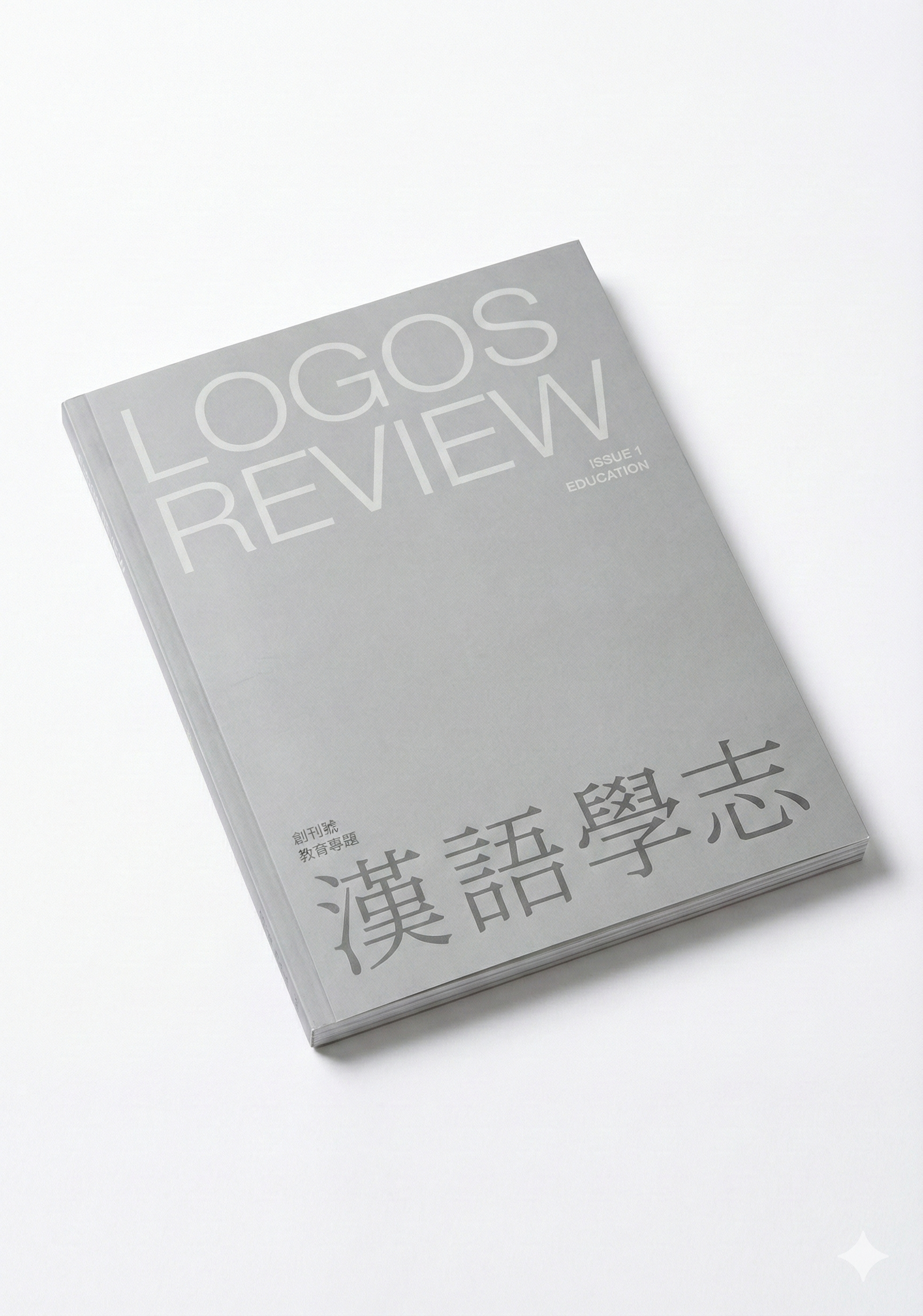
《汉语学志》的创办,是为了延续一种志业。
如果说社会像一个有机的“身体”,百体各领其职,那么作为学人,我们的职责多在于思考、求问、钻研和写作。可这条路正变得难走。
环顾四周,尽管同行还在,景象却有些萧条。能公开探讨的话题越来越少,空间也越来越小。若以思考为志业的人习惯了沉默和转移话题,久而久之,也许真的会失去提问题和讲真话的能力。
而且,话题越重要,越需要深耕。需要有人回溯思想的源头,挖掘、分析、爬梳,并且锤炼出与之相应的文字。我们要用足够好的汉语,共同探讨切身的问题。
这样的工作需要养成。有时养成须费百年,荒废却只在一二十年间。
话题会荒废,一些公共的主题却不会,尤其当它们事关生存、生命、公义和爱。只要人始终渴望活得真实丰满、深刻并且保有人性,它们就不会消失。回应它们的召唤,即使在艰难中,生命也会有活力;倘若长期无视和回避,生活里的其他内容,也会因为失去心魂而萎缩。
为此,我们希望创建一个平台,让努力思考的人能够互相交流、彼此阅读,减轻一点彷徨与孤单。
我们想要重拾一种汉语:它植根于个体生命与公共生活,带着自身的历史和问题意识,不断与处境以及文化对话——有时甚至是挑战。为了接近真实,它愿意接受磨练,变得更加谦逊、宽广。
它吸收外来养分,却不是纯粹的舶来品。为此,它也要符合现代汉语的语感,在追求学术性与思想性的同时,不失文笔之美。因为我们盼望思想能成为生活方式,而非象牙塔或空中楼阁。
它还承载着社会其他成员的托付。正因为百体各领其职,我们的关系,是相互依存、唇亡齿寒。既然以思想为志业,我们就有责任将许多人想说又不易说清的话,准确地表达出来。
今天和未来的伙伴需要我们。《 汉语学志 》的创办,正是为了传递这一小小的薪火。
2025年8月
《 汉语学志 》编辑部
Founding Statement
Logos Review
Abstract: This is the founding statement of Logos Review.
https://doi.org/10.64053/XNTG5790
Logos Review was founded to pursue a vocation.
If society may be imagined as a living body—each part serving its function—then the scholar’s duty is thought: inquiry, research, and writing. Yet this path grows harder. Though our peers remain, the intellectual landscape has grown barren. The range of subjects one can discuss in public narrows; the space for discourse contracts. If thinkers come to accept detours and long pauses, they may, in time, lose even the capacity to pose questions and to speak the truth.
The weightier the subject, the more it demands sustained cultivation. We must return to sources: excavate, analyze, and untangle ideas, and temper a language worthy of their complexity. We must cultivate a Chinese language robust enough to address, together, the questions that press upon our lives. Such work requires formation. A tradition may take a century to build, and yet be squandered in a decade or two.
Specific subjects may fall into neglect; fundamental themes do not—especially those touching survival, flourishing, justice, and love. So long as the human spirit seeks a life that is authentic, rich, deep, and humane, these themes endure. To answer their call is to quicken life, even in difficult times; if we habitually ignore or sidestep them, the rest of life withers, as though its animating soul were gone.
For this reason, we hope to create a platform where those who labor to think can read one another and converse—easing, if only a little, the uncertainty and solitude.
We seek to reclaim a Chinese that is rooted in individual lives and public life; that bears its own history and critical consciousness; and that keeps an unceasing dialogue with its circumstances and culture—at times, even a challenge. To draw nearer to truth, this language accepts discipline, becoming humbler and more capacious. It draws nourishment from other cultures without being a mere import. It should also accord with the sensibilities of contemporary readers of Chinese, uniting scholarly rigor and intellectual seriousness with grace of expression. We hope for this because thought ought to be a way of life—not an ivory tower, nor a structure without foundations.
This work also bears a trust placed upon it by others. Because each part has its function, we are mutually dependent; the fortunes of one are bound to the fortunes of all. Since our vocation is thought, we have a responsibility to articulate, with care, what many find difficult to express.
Our partners—present and future—need us.
The founding of Logos Review is our way of passing on this small flame.
August 2025
Logos Review
